 Bellingham Siding
 Building a Deck That Actually Holds Up in Fairhaven
Fairhaven is one of the closer-to-the-water neighborhoods in Bellingham, and that proximity to Bellingham Bay shapes how outdoor structures age here. A deck in Fairhaven isn't just furniture sitting outside, it's a structure that spends every day exposed to salt-tinged marine air, rain that gets driven sideways by wind off the water, and long stretches of shade under mature trees that keep surfaces damp far longer than they would in a drier, more open part of Whatcom County. We build custom decks throughout the area, and Fairhaven is one of the spots where we see climate stress show up on decking, fasteners, and framing earlier than homeowners expect.
A deck built to a generic national spec can look fine for a season or two and then start showing problems that a deck built for this specific climate would have avoided from day one. The goal on a Fairhaven project isn't just to build something that looks good when it's finished, it's to build something that's still structurally sound and safe to walk on ten or twenty years from now, after a decade of wet winters and salt-laden air have had their chance to work on it.
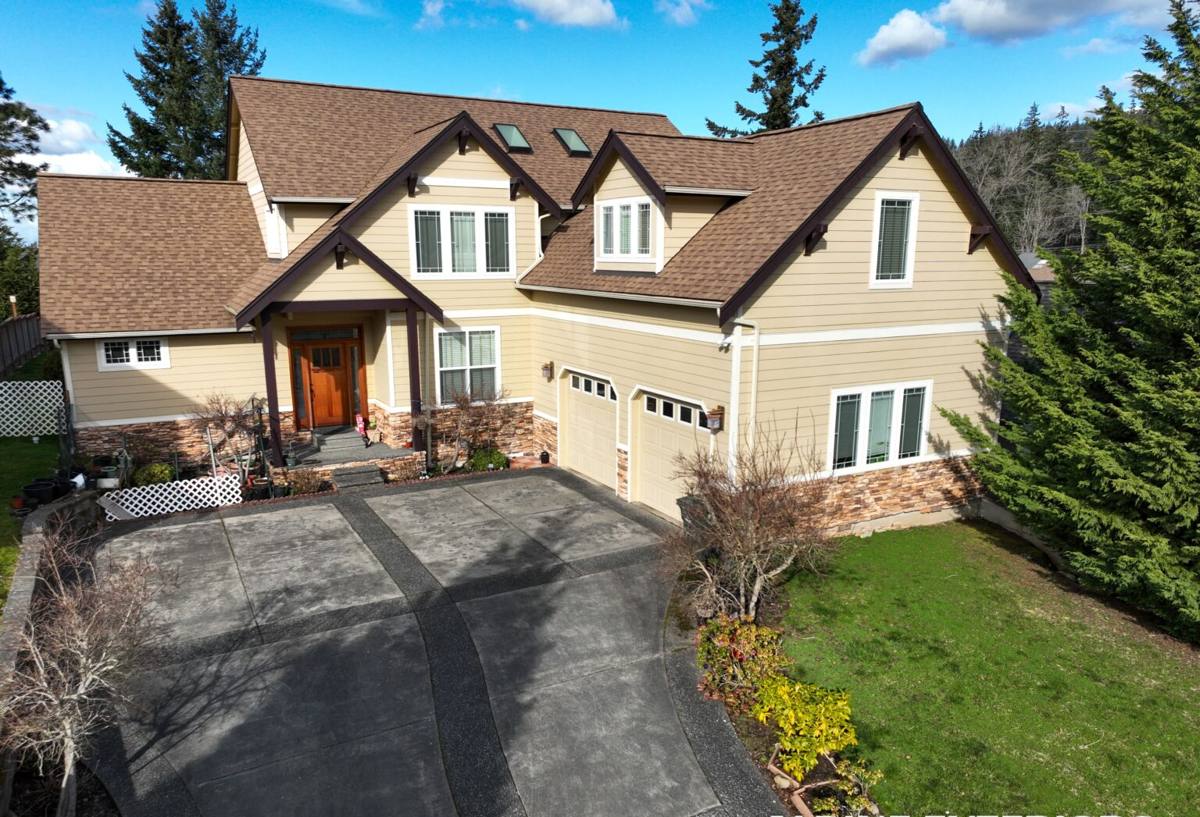
What Bellingham Bay Does to a Deck Over Time
Salt Air and Fastener Corrosion
Homes near Bellingham Bay sit in a steady drift of mildly corrosive, moisture-laden air, not just during storms but as a background condition most of the year. Standard fasteners and hardware that would hold up fine forty miles inland can start showing rust bleed, streaking, and eventually structural weakness within a few years this close to the water. The problem is usually invisible until it isn't, because corrosion tends to start inside a joint or connection before it ever shows on the surface.
Wind-Driven Rain at the Ledger and Fasteners
Fairhaven's open exposure toward the water means rain doesn't always fall straight down, it gets pushed at angles that find their way into ledger connections, joist hanger pockets, and any spot where decking meets the house. A ledger board attachment that isn't flashed correctly is one of the most common places we find hidden water damage on older decks in this part of Bellingham, because the leak develops behind the board where nobody's looking.
Moss, Mildew, and Slippery Decking
Mild temperatures and sustained dampness make Whatcom County a good environment for moss and algae growth, and a deck surface that stays wet or shaded for long stretches of the day is a prime target. Beyond the cosmetic issue, moss and algae buildup on decking creates a real slip hazard, especially on stairs, and it tends to accelerate wear on porous materials that hold moisture against the surface.
Shade and Slow Drying on Wooded, Sloped Lots
A lot of Fairhaven's residential lots sit on sloped terrain with mature tree cover, which is part of the neighborhood's character but also means many decks get less direct sun and airflow than an equivalent structure in a more open subdivision. Less sun and airflow means longer drying times after every rain event, which matters a great deal when you're choosing decking material and figuring out ledger and joist spacing.
Choosing the Right Decking Material
There's no single right answer for every Fairhaven property, but the materials perform differently once you factor in a marine climate with heavy shade and consistent moisture. We walk homeowners through the real trade-offs rather than steering everyone toward the same product.
| Material | Moisture Behavior | Maintenance | Best Fit |
|---|---|---|---|
| Capped composite | Resists moisture absorption and doesn't rot; capped boards shed water well | Occasional cleaning; no staining or sealing required | Shaded, damp lots where low maintenance matters most |
| Cedar | Naturally rot-resistant but still absorbs moisture over time if finish isn't maintained | Periodic staining or sealing to keep water out | Homeowners who want a natural wood look and will keep up the finish schedule |
| Pressure-treated lumber | Chemically treated core resists rot, but cut ends and fastener holes are vulnerable points | Regular sealing recommended, especially in shaded, wet areas | Budget-conscious framing and substructure work, less ideal as a primary walking surface here |
In a climate this consistently wet, capped composite decking tends to hold up with the least ongoing maintenance, which is why we recommend it for most Fairhaven decks, especially anything under tree cover or on a north-facing side of the house. Cedar remains a legitimate choice for homeowners who specifically want that look and are committed to maintaining the finish, and we're glad to build with it when that's the right fit. What we won't do is put an uncapped or low-grade composite product on a shaded, damp Fairhaven lot and call it a low-maintenance solution, because that combination tends to disappoint people within a few seasons.
What a Correctly Built Deck Involves
The decking surface is the part everyone sees, but most of the deck problems we get called out to repair in this area started underneath it, in the framing, the ledger connection, or the hardware.
Ledger Board Attachment and Flashing
The ledger board, where the deck attaches to the house, is the single most common point of hidden moisture damage on decks near the water. It needs correctly installed flashing that directs water away from the house wall rather than letting it track behind the siding, along with fasteners rated for the load and the exposure. Get this detail wrong and you don't just risk the deck, you risk the wall assembly and siding behind it.
Footings and Frost Depth
Footings need to be sized and set to the correct depth for the soil and frost conditions on the specific lot, not just poured to a rough guess. On sloped Fairhaven properties, footing placement also has to account for drainage and grade, since water that isn't directed away from a footing can undermine it over time.
Fastener and Hardware Selection
Given the salt air exposure this close to the bay, we use stainless steel or heavy hot-dip galvanized fasteners and structural hardware rather than the standard coated fasteners that are fine in drier inland areas. It costs more up front and it's the difference between hardware that's still sound in fifteen years and hardware that's already showing rust streaks in five.
Railings, Stairs, and Building Code
Bellingham and Whatcom County building code sets specific requirements for deck railings, guard heights, baluster spacing, and stair geometry, and those requirements exist because deck failures and fall injuries are a real, documented risk when decks are built or modified without a permit. Any deck project that meets the size and height thresholds triggering a permit needs to go through that process, with inspections at the framing stage before decking goes down. We handle the permitting and inspection process as part of the build rather than treating it as an optional extra step, and we won't cut a corner on railing height or stair rise just to save time.
Our Process for a Fairhaven Deck Project
- Site walk and design conversation: We look at the specific lot, sun exposure, slope, and how the deck will connect to the house before talking materials or layout.
- Material and layout selection: We walk through the real trade-offs between composite, cedar, and other options for that specific spot on the property.
- Permitting: We handle the permit application and coordinate required inspections with the city or county.
- Framing and structural work: Footings, ledger attachment, and framing go in first, built to hold up to this climate specifically, not a generic national standard.
- Decking, railings, and stairs: The visible surface goes on last, once everything underneath it is sound.
- Final walkthrough: We go over the finished deck with you, including basic care and what to watch for over time.
Deck Cost Factors in Fairhaven
| Factor | What It Affects | Why It Matters Here |
|---|---|---|
| Decking material | Material cost and long-term maintenance | Capped composite costs more upfront but needs less upkeep in a shaded, wet climate |
| Height and grade change | Framing complexity, stair count, railing requirements | Sloped Fairhaven lots often need taller substructures and more stair runs than flat sites |
| Ledger and flashing detail | Labor time and materials at the house connection | Wind-driven rain off the bay makes this connection a higher-risk point than in a drier climate |
| Fastener and hardware grade | Material cost | Stainless or heavy-galvanized hardware costs more but resists salt air corrosion far longer |
| Site access | Labor time and equipment needs | Mature landscaping and sloped terrain common in Fairhaven can add setup and staging time |
Every one of these varies by property, which is why we walk the actual site and give a real quote instead of pricing off square footage from a phone call.
Signs an Existing Deck Needs Attention
- Soft, spongy, or discolored decking, especially near the house connection or stair stringers
- Persistent moss or algae buildup that returns quickly after cleaning
- Rust staining around fasteners, joist hangers, or railing hardware
- Visible gaps or separation at the ledger board where it meets the house
- Railings or posts that feel loose or wobble under light pressure
- Stairs that feel bouncy, uneven, or have visibly sagging stringers
- Standing water that doesn't drain off the surface within a reasonable time after rain
Any one of these is worth a look before it becomes a safety issue rather than a maintenance item. A deck that's structurally failing doesn't always announce itself with obvious damage, especially underneath the decking boards where the framing lives.
Why a Local Crew That Works Fairhaven Regularly Matters
A crew that builds decks throughout this part of Whatcom County sees firsthand how salt air, wind-driven rain, and shade actually affect a structure over a full year of weather, not just how a product is rated on paper. That translates into decisions that matter on a real build: where to spend extra time on ledger flashing, which hardware grade is worth the added cost this close to the water, and which decking material will actually hold up on a shaded, sloped Fairhaven lot instead of just looking good on installation day. Before hiring anyone for deck work in this area, it's worth asking a few direct questions:
- Do they pull permits and coordinate required framing inspections, or skip that step
- What fastener and hardware grade do they use, and why
- How do they detail the ledger connection and flashing at the house
- Can they explain the real trade-offs between decking materials for your specific lot
- Are they licensed and insured in Washington State
If you're planning a new deck in Fairhaven, or you're not sure whether an existing one is still sound, we're glad to take a look and give you a straight answer. Reach out using the form below to schedule a free, no-pressure estimate.