 Bellingham Siding
 Why Cordata Homes Need a Different Approach to Windows
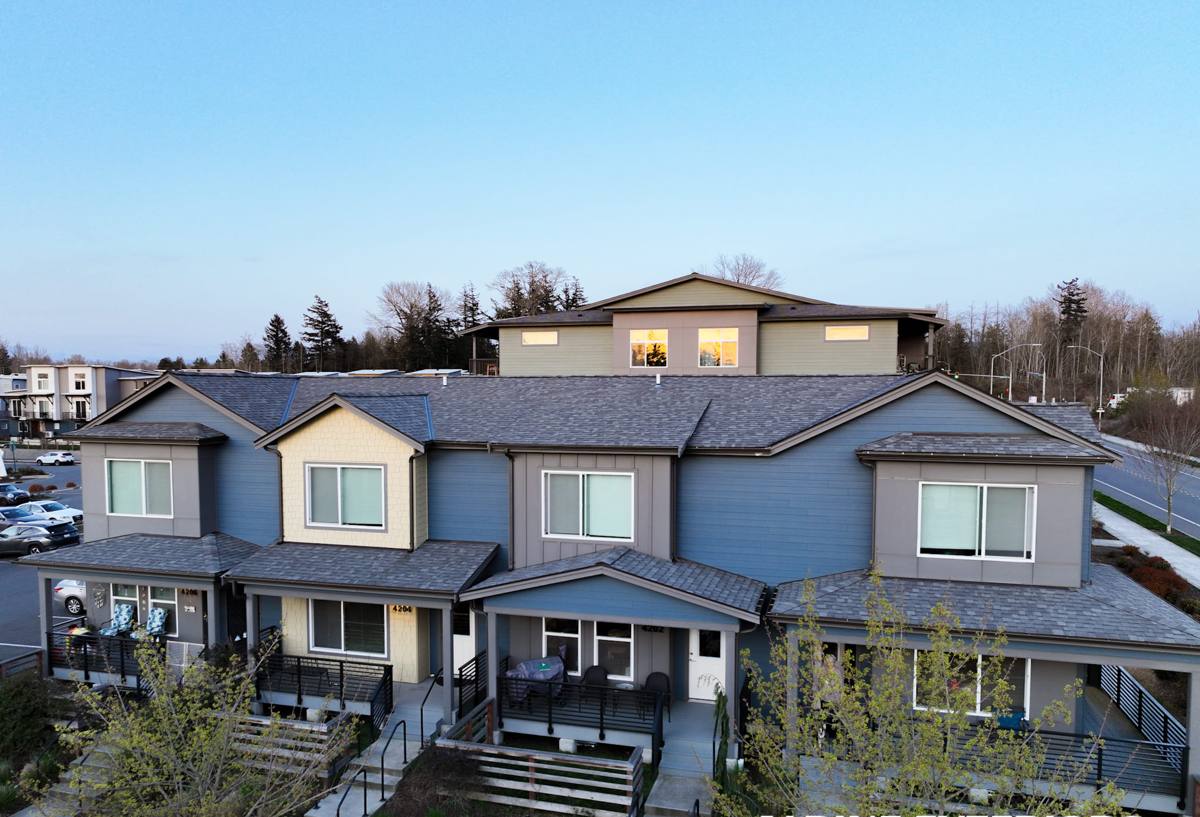
Cordata sits far enough from downtown Bellingham to feel like its own community, but it shares the same weather everyone in Whatcom County deals with: wet winters, damp shoulder seasons, and air that carries a fair amount of salt moisture off the Sound even well inland. Homes in this neighborhood run the gamut from older single-family builds to newer construction, and in both cases, the original windows are usually the weakest link in the building envelope. They were often installed to a builder-grade spec, not a performance spec, and after ten, twenty, or thirty years of Pacific Northwest weather, the seals, frames, and glazing have usually given up more than homeowners realize.
"Energy-efficient windows" gets used as a marketing phrase a lot. On a Cordata home, it should mean something specific: a window assembly that keeps water out during driving rain, resists the slow moisture creep that feeds moss and mildew, and holds its seal through decades of freeze-thaw and humidity swings. That's a different design problem than what you'd solve for in a dry climate, and it's why we approach window replacement here differently than a contractor working a drier region would.
What Bellingham's Climate Actually Does to a Window
Driving rain and wind-driven moisture
Storms coming off the water don't just drop rain straight down — wind pushes it sideways into wall assemblies and window frames. A window that isn't flashed and sealed correctly will let water track behind the trim over time, even if the glass itself looks fine. This is one of the most common failure points we find on older Cordata homes: the window looks intact from the street, but the flashing detail behind the trim was never done right, and moisture has been getting into the framing for years.
Salt air and hardware corrosion
Whatcom County's proximity to the Sound means the air carries a mild but persistent salt content, especially on days with onshore wind. That salt content accelerates corrosion on lower-grade hardware — hinges, locks, balance systems — long before the glass or frame itself fails. It's a slow process, so most homeowners notice it as "the window got hard to open" rather than connecting it to the coastal air.
The long moss season
Bellingham's moss season isn't a few weeks — it's most of the year. Moss and algae thrive anywhere moisture sits and doesn't fully dry out, which includes window sills, the bottom of frames, and any trim detail that traps water instead of shedding it. Beyond looking bad, sustained moss growth holds moisture against wood trim and can accelerate rot in ways that aren't visible until the damage is significant.
What "Energy-Efficient" Actually Means for a Window Assembly
A genuinely energy-efficient window is really three systems working together: the glass package, the frame material, and the installation detail. Weakness in any one of the three undermines the other two.
- Glazing: Dual-pane (or triple-pane in some applications) glass with a low-E coating and an inert gas fill between panes reduces heat transfer and cuts down on condensation on the interior glass surface — a common complaint in older single-pane or failed dual-pane windows in this climate.
- Frame material: The frame has to resist moisture absorption and temperature-driven expansion and contraction without warping, swelling, or losing its seal over time.
- Installation detail: Flashing, sill pans, and sealant work are what actually keep wind-driven rain out of the wall cavity. A high-performance window installed without correct flashing will still leak — the glass package doesn't matter if water gets behind the frame.
We treat all three as non-negotiable. A window that scores well on paper but gets installed without proper flashing and a sill pan is not actually energy-efficient in this climate — it's just a well-rated product doing a poor job.
Signs Your Cordata Home's Windows Are Underperforming
- Condensation or fogging between the panes (a sign the seal has failed and the gas fill is gone)
- Drafts you can feel near the frame even with the window fully latched
- Visible moss, algae, or dark staining building up on sills and lower trim
- Soft or discolored wood trim around the window opening
- Windows that are difficult to open, close, or lock — a sign of hardware corrosion or frame warping
- A noticeable difference in room temperature near the window compared to the rest of the house
- Rising heating bills without a clear cause elsewhere in the home
Our Installation Process
Assessment
We start by looking at the existing window and the wall assembly around it — not just the glass. That means checking for water intrusion signs, evaluating the condition of the trim and sheathing, and confirming the rough opening is sound before anything gets ordered.
Product selection
We walk through frame material and glazing options based on the home's exposure — a window on the weather side of the house facing prevailing wind and rain gets the same scrutiny as one on a more sheltered wall, but the flashing detail and sealant approach may differ.
Removal and prep
Old windows come out carefully to protect the surrounding siding and trim. Any rot, soft framing, or prior water damage gets addressed before the new window goes in — installing a new window over a compromised opening just hides the problem.
Flashing and sealing
This is the step that matters most for long-term performance in this climate. Proper sill pan flashing, house wrap integration, and sealant application are what keep wind-driven rain from tracking behind the new window over the years ahead.
Final fit and check
Every window gets checked for square, level, and smooth operation before we consider the job done, along with a check of the exterior trim and caulking lines.
Comparing Frame Material Options
| Frame Material | Moisture Resistance | Maintenance | Typical Lifespan |
|---|---|---|---|
| Vinyl | Very good — won't rot or absorb moisture | Low; occasional cleaning | 20–30 years |
| Fiberglass | Excellent — highly stable in moisture and temperature swings | Low | 30+ years |
| Wood-clad | Good on exterior clad face; interior wood needs care | Moderate to higher; exterior seals need periodic inspection | 20–30 years with maintenance |
| Aluminum | Fair; prone to condensation without thermal breaks | Low, but energy performance is generally weaker | 20–25 years |
For most Cordata homes, we lean toward vinyl or fiberglass frames because they hold up to sustained moisture exposure without the ongoing maintenance that wood-clad frames require. Wood-clad can still be a good fit on homes where matching a specific architectural look matters, as long as the homeowner understands the maintenance commitment.
What Drives the Cost
| Factor | Why It Matters |
|---|---|
| Number of windows | Per-window cost drops somewhat with larger whole-house projects due to shared labor and setup |
| Frame material | Fiberglass and higher-end vinyl cost more upfront than basic vinyl or aluminum |
| Glazing package | Triple-pane and specialty low-E coatings add cost but improve performance in exposed locations |
| Condition of existing opening | Rot repair or reframing adds labor beyond the window install itself |
| Window size and configuration | Larger units, custom shapes, and multi-panel configurations cost more than standard sizes |
| Exposure | Windows on the weather side of the home may warrant a more robust flashing detail |
Whole-house window replacement in this region typically runs from a few thousand dollars for a handful of standard-size windows up to a much larger investment for a full-home, higher-end package. We'll always walk through the real range for your specific home before any work starts — no one should sign a contract without knowing what drives the number.
Why a Crew That Knows Cordata Matters
Window installation looks similar on paper everywhere, but the details that make a window actually perform — flashing choices, sealant selection, how much clearance to leave for expansion — should be informed by the specific weather a home takes on. A crew that regularly works Cordata and the surrounding Bellingham area already knows which wall orientations take the worst of the wind-driven rain, how moss buildup typically shows up on local homes, and what corrosion looks like on hardware that's been exposed to this air for years. That's not something you get from a general install checklist — it comes from doing the work here repeatedly and seeing what holds up and what doesn't.
Keeping New Windows Performing Long-Term
- Clean sills and tracks a couple times a year to prevent moss and algae buildup from taking hold
- Check exterior caulking annually and have any cracked or separated sealant addressed before wet season
- Operate locks and hardware periodically, even on windows you don't open often, to keep mechanisms from seizing
- Watch for condensation between panes — it's an early sign of seal failure, not just a cosmetic issue
- Keep gutters and downspouts clear so overflow isn't running down onto window trim
If your Cordata home's windows are drafty, fogging, or just past their useful life, we're happy to take a look and give you a straightforward, no-pressure estimate — no obligation, just an honest read on what your windows need.