 Bellingham Siding
 Why Columbia Homes Wear Out Siding Faster Than You'd Expect
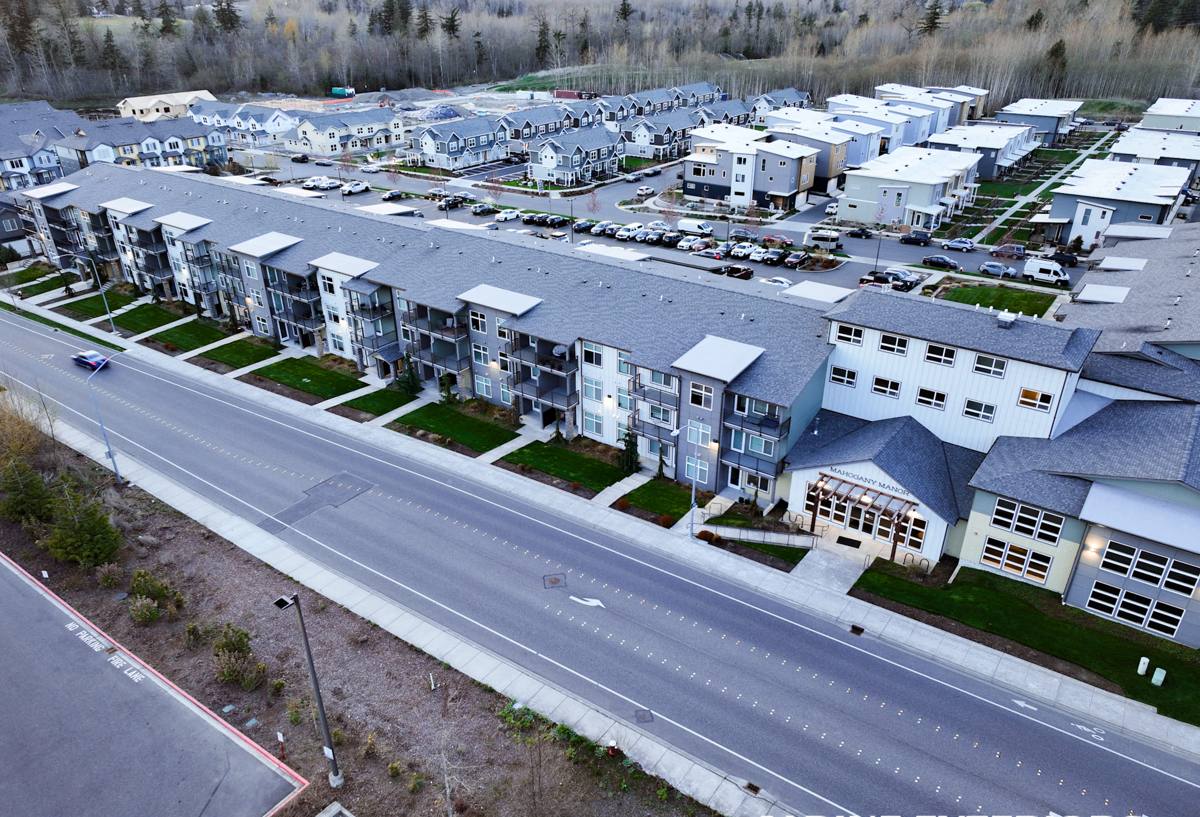
The Columbia neighborhood sits close enough to Bellingham Bay that salt-laden air is a daily fact of life, not an occasional weather event. Add in the region's long stretch of driving rain from fall through spring, plus a shaded, moisture-heavy moss season that can run several months, and you have a climate that is genuinely hard on exterior siding. Homes here don't fail because owners neglected them — they fail because the products installed on them were never engineered for this specific combination of salt, standing moisture, and shade.
We see the same pattern across Columbia and the surrounding Whatcom County neighborhoods: siding that looked fine on installation day starts showing stress within eight to twelve years, well short of what a homeowner was told to expect. That's not bad luck. It's a mismatch between the product and the environment it was asked to survive in.
How Salt Air, Rain, and Moss Actually Damage Siding
Salt Air
Airborne salt from the bay settles on exterior surfaces and accelerates corrosion of fasteners, trim flashing, and any exposed metal components. On siding materials with weaker factory finishes, salt exposure also speeds up fading, chalking, and surface breakdown well before the material itself would otherwise fail.
Driving Rain
Wind-driven rain doesn't just wet the surface of a wall — it pushes moisture sideways into seams, laps, and butt joints. Siding systems that rely on caulk or paint film to keep water out, rather than a manufactured, factory-engineered water-resistant design, are the ones that eventually let moisture behind the cladding.
Moss Season
Shaded north- and west-facing walls in Columbia can stay damp for extended stretches, especially where mature trees or neighboring structures block sun and airflow. Prolonged dampness is exactly the condition moss, algae, and mildew need to take hold — and it's also the condition that punishes any siding material with poor moisture tolerance.
Signs Your Columbia Home Needs Replacement, Not a Repair
- Soft, spongy, or crumbling spots when you press on the siding, especially near the bottom courses or under windows
- Persistent moss or dark staining that returns within weeks of cleaning
- Visible warping, buckling, or panels pulling away from the wall
- Paint that won't hold — repeated peeling or blistering within a couple of years of repainting
- Rising energy bills paired with drafts, suggesting the siding and underlying moisture barrier are no longer doing their job
- Visible rot at corners, trim boards, or anywhere two siding pieces meet
A few isolated boards can sometimes be repaired. But once damage shows up in multiple areas, or once you find soft wall sheathing underneath, patch repairs are a short-term fix on a system that's already failing. At that point, full replacement is the honest recommendation — not an upsell.
What a Correct Siding Replacement Actually Involves
Replacing siding is not just swapping old panels for new ones. Done correctly, a replacement project on a Columbia home addresses everything the old siding was hiding or failing to manage:
- Full tear-off and inspection — removing the old siding to expose the sheathing and framing underneath, rather than installing over existing material.
- Sheathing repair — replacing any rotted or water-damaged wood sheathing found during tear-off, since new siding over compromised sheathing just hides the same problem again.
- Weather-resistive barrier — installing a proper house wrap or drainage plane so any moisture that does get past the siding has a way out, rather than sitting against the wall.
- Flashing detail work — correct flashing at windows, doors, and rooflines, which is where most water intrusion actually starts.
- Rainscreen or furring where appropriate — a small air gap behind the siding that lets walls dry out faster, which matters more in a climate with Bellingham's moss and moisture profile than in drier parts of the state.
- Correct fastening and clearances — following manufacturer specs for nailing patterns and ground clearance, since improper installation is the single biggest cause of premature siding failure regardless of the product used.
Why We Install Only James Hardie Fiber Cement
We made a deliberate decision to install one siding system: James Hardie fiber cement. We don't offer vinyl, LP SmartSide, Cemplank, Allura, primed spruce, or cedar, and that's worth explaining rather than glossing over.
Vinyl is inexpensive and easy to install, but it's a plastic product that expands and contracts with temperature swings, can crack in impact events, and offers no fire resistance. Engineered wood products like LP SmartSide use a resin-treated wood strand core that performs reasonably well when installation and maintenance are exact, but any breach in the factory coating exposes a wood-based core to moisture — a real risk in a climate where walls stay damp for weeks at a time. Primed spruce and cedar are traditional, attractive options, but both are organic wood products that require disciplined repainting and caulking schedules to hold up against salt air and driving rain; skip a maintenance cycle here and the consequences show up fast.
James Hardie fiber cement is non-combustible, dimensionally stable across our wet-dry, hot-cold swings, and doesn't rely on a paint film alone to keep moisture out — the ColorPlus factory finish is baked on and warranted separately from the substrate. For a bay-adjacent neighborhood like Columbia, that combination of moisture tolerance and finish durability is the deciding factor.
Product Lines That Fit This Climate
| Hardie Product | Best Use | Why It Fits Columbia |
|---|---|---|
| HardiePlank lap siding | Most home exteriors | Classic profile, factory-finished, engineered for wet climates (HZ10 zone) |
| HardieShingle | Accent areas, gables | Shingle look without the wood maintenance burden |
| HardiePanel vertical siding | Modern facades, accent walls | Clean lines, pairs well with board-and-batten detailing |
| HardieTrim | Corners, window and door trim | Matches durability of field siding so trim doesn't fail first |
Siding Material Comparison
| Factor | James Hardie Fiber Cement | Vinyl | Engineered Wood (LP) | Cedar / Primed Wood |
|---|---|---|---|---|
| Moisture tolerance | High — cement-based, won't rot | High but can trap moisture behind it | Moderate — sensitive if coating is breached | Low — requires consistent upkeep |
| Fire resistance | Non-combustible | Melts, contributes fuel | Combustible | Combustible |
| Finish durability | Factory ColorPlus, separately warranted | Color molded in, can fade/chalk | Factory primed or finished | Field-painted, needs recoating |
| Maintenance | Low — occasional wash and caulk check | Low but degrades with age | Moderate — inspect coating integrity | High — regular repainting/sealing |
| Typical lifespan (properly installed) | 30+ years | 20-30 years | 20-25 years | 15-25 years with upkeep |
Our Process for Columbia Siding Replacement Projects
Every project starts with an on-site walkthrough where we look at wall orientation, drainage patterns, and any existing moss or moisture staining — factors that matter more in Columbia than in drier inland neighborhoods. From there:
- We provide a written estimate that details tear-off, sheathing allowances, house wrap, flashing, and the specific Hardie products recommended for your home
- We schedule around Bellingham's wetter months where possible and use proper weather protection when we can't avoid them
- We photograph sheathing conditions during tear-off so you see exactly what was found before it's covered
- We follow James Hardie's published installation specs to keep the manufacturer's warranty fully intact
- We walk the finished job with you before calling it complete
Cost Factors to Expect
| Factor | How It Affects Your Project |
|---|---|
| Extent of sheathing damage | Hidden rot found during tear-off adds material and labor beyond the base bid |
| Home size and wall complexity | More corners, gables, and trim detail mean more labor hours |
| Product line and accessories | HardieTrim, HardieShingle accents, and specialty colors cost more than standard plank |
| Access and site conditions | Tight lots, mature landscaping, or multi-story walls affect staging and labor time |
| Rainscreen/furring inclusion | Adds material cost but improves long-term drying performance for shaded walls |
We give straightforward, itemized estimates rather than vague per-square-foot numbers, so you can see exactly where the cost is going before work starts.
What to Ask Before Hiring Any Siding Contractor in Columbia
- Do you tear off the old siding completely, or install over it?
- Will you inspect and repair sheathing if it's found to be damaged, and how is that priced?
- Are you a certified James Hardie installer, and do you follow their published nailing and clearance specs?
- What does your workmanship warranty cover, separate from the manufacturer's material warranty?
- Have you worked in this specific neighborhood, and do you understand its moisture and shade patterns?
- Can you provide a written, itemized estimate rather than a rough verbal number?
Any contractor unwilling to answer these plainly is worth a second look before you sign a contract.
Why Local Experience in Columbia Specifically Matters
Bellingham siding work isn't uniform across every block. A wall facing the bay handles different exposure than one tucked behind mature trees a few streets over. Crews who've worked repeatedly in and around Columbia recognize which walls need extra flashing attention, which orientations tend to hold moss, and how the neighborhood's mix of older and newer construction affects what's underneath the existing siding. That local pattern recognition shortens the guesswork and reduces surprises once tear-off begins.
If your Columbia home's siding is showing its age, we're happy to take a look and give you a straight answer about repair versus replacement. Reach out for a free, no-pressure estimate — there's a form right below to get started.